Executive Summary (for busy readers)
Recurrent kidney stones are common: once you form one stone, your risk of forming another is high unless preventive steps are taken. Recurrence is driven by a mix of metabolic tendencies, diet and fluid habits, medications, urinary tract anatomy or infection, and sometimes genetic disorders. The modern approach to preventing recurrence combines a careful metabolic evaluation (including 24-hour urine testing and stone analysis), targeted dietary and lifestyle changes, and medical therapy chosen for the specific stone type and metabolic abnormalities. This article explains why stones come back, how to investigate recurrence risk, and which prevention strategies are supported by current evidence.
Introduction
Kidney stones (nephrolithiasis) affect a growing portion of the population worldwide. For many patients, the acute stone episode (pain, obstruction, intervention) is only the beginning; without prevention, stones tend to recur. Understanding why stones form repeatedly requires thinking about stone composition, urine chemistry, and modifiable behaviours. Equally important is knowing which preventive measures actually reduce recurrence — not just plausible tips, but interventions backed by clinical studies and guidelines.
This article covers: what causes recurrent stones, how clinicians evaluate recurrence risk, practical and evidence-based prevention strategies (dietary, behavioural, and pharmacologic), recent trends in stone prevention, and when to refer to a specialist stone prevention clinic.
Who gets recurrent stones?
Epidemiologic studies show that once a person develops a kidney stone, the 5-year recurrence risk is roughly 30–50% without preventive measures. Recurrence rates vary with age, sex, stone composition, family history, and coexisting medical conditions such as obesity, diabetes, gout, and inflammatory bowel disease. Some individuals are “stone formers” with persistent metabolic abnormalities; others have a single episode related to a temporary risk factor (e.g., dehydration during travel).
What stones are made of? Why composition matters
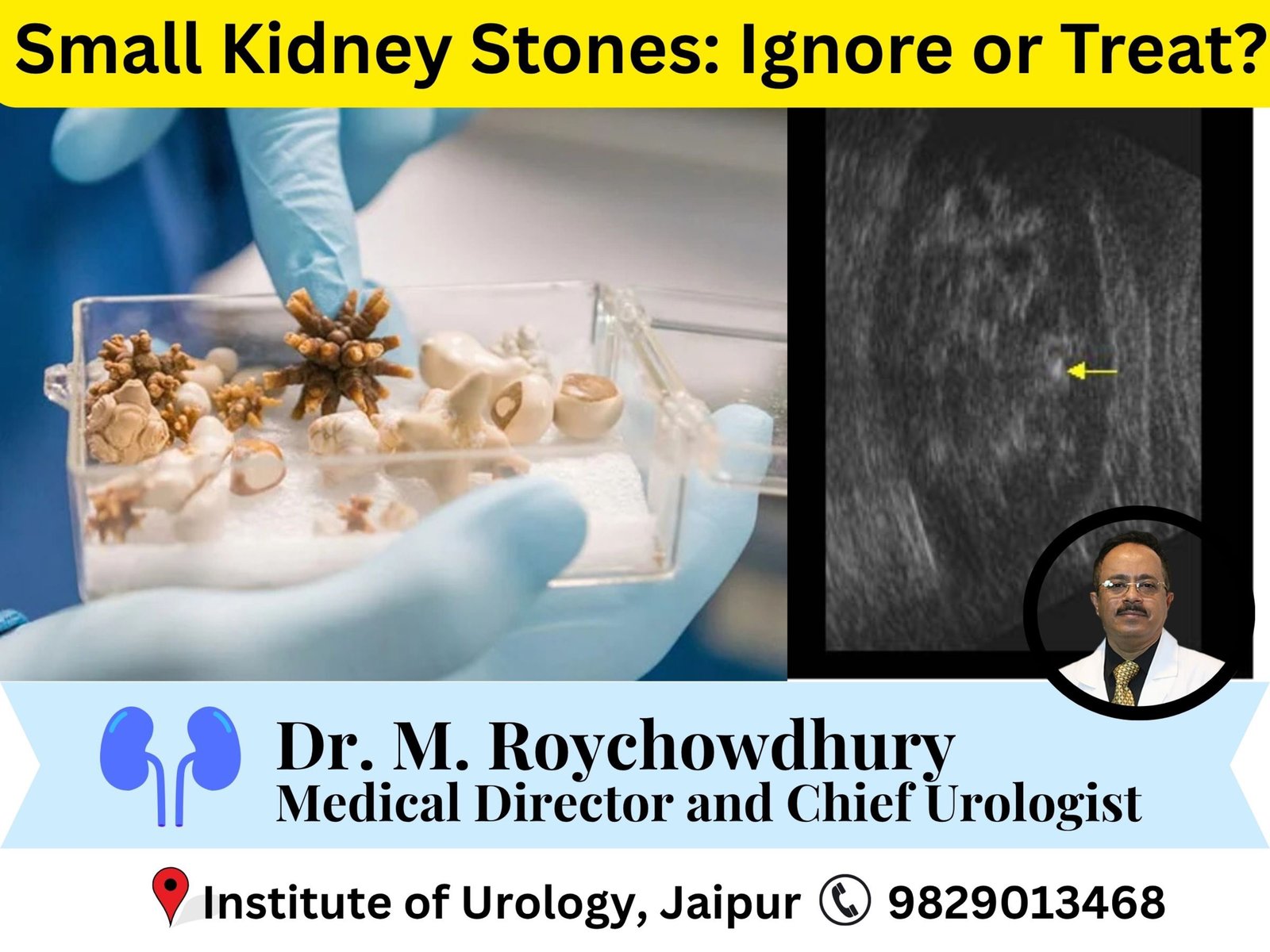
Knowing the composition of a stone is central to prevention because different stones form for different reasons and respond to different therapies. The common types are:
- Calcium oxalate (most common) — often associated with low urine volume, high urine calcium, high urine oxalate, low urinary citrate.
- Calcium phosphate — can be associated with higher urine pH and renal tubular acidosis.
- Uric acid — forms when urine pH is low (acidic) and uric acid excretion is high; influenced by diet and metabolic syndrome.
- Struvite (infection) stones — caused by urease-producing bacteria; recurrence tied to persistent infection or residual stone fragments.
- Cystine stones — due to genetic cystinuria and carry a high recurrence risk without specific therapy.
Stone analysis after passage or removal is one of the first steps in preventing recurrence.
How stones re-form — pathophysiology in brief
Stone formation is the result of supersaturation of urine with certain salts (calcium oxalate, calcium phosphate, uric acid), crystal nucleation, growth, aggregation and retention in the collecting system. Key drivers of supersaturation include:
- Low urine volume — concentrates stone-forming salts.
- High urinary excretion of stone components — e.g., hypercalciuria, hyperoxaluria, hyperuricosuria.
- Low urinary inhibitors — especially citrate, which binds calcium and reduces crystallization.
- Abnormal urinary pH — favors different stone types (acidic pH → uric acid; alkaline pH → calcium phosphate, struvite).
- Anatomic factors and infection — urinary stasis, strictures, or infected urine facilitate stone formation and retention.
- Genetic predisposition — e.g., cystinuria or familial hyperoxaluria.
Recurrent stones usually reflect persistent abnormalities in one or more of these areas.
Evaluation of the recurrent stone patient: tools that matter
A targeted evaluation detects modifiable risk factors and tailors prevention:
- Detailed history and medication review
- Number and timing of previous stones, diet and fluid habits, family history, bowel disease or urinary infections, weight changes, and use of stone-promoting medications (e.g., topiramate, loop diuretics, indinavir, vitamin C in excess).
- Number and timing of previous stones, diet and fluid habits, family history, bowel disease or urinary infections, weight changes, and use of stone-promoting medications (e.g., topiramate, loop diuretics, indinavir, vitamin C in excess).
- Stone analysis
- Chemical analysis of passed or surgically retrieved stones (preferably infrared spectroscopy) to determine composition.
- Chemical analysis of passed or surgically retrieved stones (preferably infrared spectroscopy) to determine composition.
- Imaging
- Non-contrast CT or ultrasound to assess for residual fragments, anatomic abnormalities (e.g., medullary sponge kidney, strictures), or silent stone burden.
- Non-contrast CT or ultrasound to assess for residual fragments, anatomic abnormalities (e.g., medullary sponge kidney, strictures), or silent stone burden.
- Laboratory testing
- Blood tests: serum calcium, phosphate, bicarbonate, creatinine, uric acid, electrolytes, PTH if hypercalcemia suspected.
- 24-hour urine collection(s): gold standard for metabolic evaluation — measures volume, calcium, oxalate, citrate, uric acid, sodium, potassium, magnesium, phosphorus, and creatinine clearance. Abnormal results guide therapy.
- Targeted genetic or rare disease testing
- For early, severe, or family-clustered stones (e.g., cystinuria, primary hyperoxaluria).
A structured metabolic evaluation identifies patients who will benefit from specific preventive strategies.
General prevention principles that work
1. Drink enough — aim for urine volume ≥2–2.5 L/day
The single most effective and universally recommended strategy is to increase fluid intake to produce at least 2 to 2.5 liters of urine per 24 hours. Higher urine volume dilutes stone-forming solutes and lowers recurrence risk. Clinical trials and observational studies show consistent reductions in recurrence with sustained high fluid intake.
Practical tips: Spread fluids across the day; include a glass before bedtime for those whose nighttime urine output contributes to stones, but balance with sleep needs. Use plain water as first choice; citrus beverages (lemonade, orange juice) can add citrate (see below).
2. Reduce sodium
High dietary sodium increases urinary calcium excretion and promotes calcium stone formation. Reducing salt to recommended levels (<2.3 g sodium/day; ideally 1.5–2 g for high-risk patients) helps lower urinary calcium and stone risk.
Practical tips: Limit processed foods, restaurant meals, and added table salt. Read labels and prefer fresh ingredients.
3. Maintain normal dietary calcium (do not restrict excessively)
Contrary to old practice, dietary calcium restriction is NOT recommended for most calcium stone formers because low calcium diets can increase intestinal oxalate absorption and paradoxically raise stone risk. Aim for normal calcium intake (~1000–1200 mg/day from diet). Calcium supplements, particularly if taken without meals, may increase risk and should be used cautiously.
4. Adjust animal protein intake
High intake of animal protein (red meat, poultry, fish) increases urinary calcium, lowers urinary citrate, and raises uric acid — all increasing stone risk. Moderate reduction of animal protein, with emphasis on plant proteins, reduces recurrence.
5. Reduce high-oxalate foods if hyperoxaluria present
For patients with elevated urinary oxalate or calcium oxalate stones, moderate restriction of high-oxalate foods (e.g., spinach, rhubarb, beets, nuts, chocolate, tea) can help — but pairing oxalate foods with dietary calcium at meals reduces oxalate absorption and is often more effective.
6. Increase dietary citrate and potassium
Citrate is a natural inhibitor of crystallization. Citrate-rich foods (lemons, oranges) and potassium-rich diets associate with lower risk. Potassium citrate supplementation is effective where citrate is low.
7. Maintain a healthy body weight and control metabolic syndrome
Obesity and components of metabolic syndrome (insulin resistance, diabetes) increase risk for uric acid and calcium stones. Weight loss and metabolic health improvement reduce recurrence risk.
Drug therapies that prevent recurrence — match drug to abnormality
Thiazide diuretics (hydrochlorothiazide, chlorthalidone, indapamide)
Indication: Hypercalciuria (high urine calcium).
Effect: Reduce urinary calcium excretion and reduce calcium stone recurrence. Multiple randomized and observational studies show benefit. Monitor for hypokalemia and changes in glucose or lipids.
Potassium citrate (or sodium citrate)
Indication: Low urinary citrate (hypocitraturia), recurrent calcium stones, and to alkalinize urine in uric acid stones.
Effect: Citrate binds urinary calcium and raises urinary pH, reducing crystallization. Potassium citrate reduces recurrence risk in hypocitraturic patients.
Allopurinol
Indication: Hyperuricosuria or calcium oxalate stones associated with high urinary uric acid.
Effect: Lowers uric acid production and can reduce stone formation in selected patients. Also used widely for uric acid stones in combination with urinary alkalinization.
Urinary alkalinizing agents (potassium citrate, sodium bicarbonate)
Indication: Uric acid stones (make urine pH >6.0 to dissolve and prevent formation); cystine stones (to increase cystine solubility as adjunct).
Effect: Converts uric acid to soluble urate. For cystine, alkalinization increases solubility when combined with other measures.
Cystine-specific therapy
Indication: Cystinuria.
Effect: High fluid intake, urinary alkalinization, agents such as tiopronin or penicillamine (chelation) may be needed; specialist management required.
Antibiotic and infection control for struvite stones
Indication: Struvite stones due to urease-producing organisms.
Effect: Elimination of infection and complete removal of stone material are necessary; ongoing surveillance prevents recurrence.
Stone-type specific prevention
Calcium oxalate stones
- Maintain high fluid intake and normal dietary calcium.
- Reduce sodium and excessive animal protein.
- If hypercalciuria: treat with thiazide.
- If hypocitraturia: potassium citrate.
- Address hyperoxaluria: moderate oxalate restriction, calcium with meals, and consider evaluation for intestinal hyperabsorption if history of bowel disease or bariatric surgery.
Calcium phosphate stones
- Often associated with higher urine pH or renal tubular acidosis. Address RTA if present. Thiazides and citrate therapy may be used carefully, and acid–base status monitored.
Uric acid stones
- Treat by alkalinizing urine (potassium citrate) to pH 6.0–7.0, control hyperuricemia (allopurinol) if hyperuricosuria present, and modify diet (reduce purine intake, alcohol).
Struvite (infection) stones
- Complete stone removal and eradication of infection. Long-term prophylactic antibiotics are not preferred; management focuses on eliminating infected stone fragments.
Cystine stones
- Aggressive hydration, alkalinization, and chelating agents; specialist referral recommended.
Lifestyle and practical advice patients can implement today
- Aim for >2–2.5 L urine/day; measure by collecting and checking first morning void or use a home urine volume log.
- Limit daily sodium intake; avoid processed and fast foods.
- Keep dietary calcium within recommended daily intakes from food sources.
- Avoid excessive vitamin C supplements (>1 g/day) as they can increase oxalate production.
- Limit high-oxalate foods if you have high urinary oxalate; eat calcium-containing foods with oxalate meals.
- Moderate animal protein intake and favor plant proteins.
- Maintain a healthy weight and exercise regularly.
- If you have recurrent stones, request stone analysis and a 24-hour urine test — these guide targeted prevention.
Follow-up and when to intensify prevention
Patients with recurrent stones benefit from periodic re-evaluation: repeat 24-hour urine testing after starting therapy (to document effect), annual imaging in some cases, and monitoring for med side effects (e.g., electrolytes with thiazides). Those with high-risk features (e.g., cystinuria, recurrent struvite, single kidney) require specialist care and closer follow-up.
Recent trends and research directions
- Personalized metabolic profiling: wider use of 24-hour urine panels and stone composition analysis to tailor interventions rather than one-size-fits-all advice.
- Dietary precision: more nuanced guidance on dietary patterns (e.g., Mediterranean diet patterns) that reduce stone risk and improve cardiometabolic health.
- Pharmacologic trials: newer trials comparing different thiazide regimens and doses, and refining citrate dosing strategies.
- Genetic testing: increased recognition of inherited stone disorders (cystinuria, primary hyperoxaluria) with better diagnostic tools and targeted therapies on the horizon.
- Multidisciplinary stone prevention clinics: integrated care teams (urology, nephrology, dietetics) have shown improved adherence and lower recurrence in some programs.
Barriers to successful prevention and how to overcome them
- Poor adherence: Lifestyle changes require sustained effort. Practical coaching, written plans, and follow-up improve adherence.
- Incomplete evaluation: Many patients never receive 24-hour urine testing or stone analysis; educating clinicians about the value of metabolic testing is crucial.
- Coexisting conditions: metabolic syndrome, bowel disease, and medication profiles complicate prevention; coordinated care with primary care and specialists helps.
- Access and cost: in some settings, tests or medications may be hard to access; prioritizing high-impact measures (hydration, sodium reduction) still yields benefit.
Key takeaways
- Recurrent stones are common but largely preventable when the underlying metabolic abnormalities are identified and appropriately treated.
- 24-hour urine testing and stone analysis are central to individualized prevention.
- Core prevention: adequate fluid intake, reduced sodium, normal dietary calcium, moderated animal protein, and citrate support when needed.
- Drug therapies such as thiazides, potassium citrate and allopurinol are effective when matched to the patient’s metabolic profile.
- Specialized care (stone prevention clinic) is valuable for complex or recurrent stone formers, and for those with rare genetic disorders.
Best Hospital in Jaipur for Treatment of Kidney Stones – Institute of Urology
Preventing recurrent stones is a long-term partnership between patient and clinician. At the Institute of Urology, Jaipur, our multidisciplinary stone prevention program combines evidence-based metabolic evaluation (stone analysis and 24-hour urine testing), personalised dietary counselling by trained dietitians, and access to medical therapies and minimally invasive stone removal when needed.
Senior urologists Dr. M. Roychowdhury, whose three-plus decades of surgical and clinical expertise guide our practice, and Dr. Rajan Bansal, renowned for precision minimally invasive urology, lead a team that has treated tens of thousands of patients with kidney stones. The Institute provides all services under one roof — consultations, laboratory and metabolic testing, imaging, endourology and minimally invasive surgery, and follow-up clinics — so patients receive coordinated, practical, and up-to-date care designed to minimize stone recurrence and preserve kidney health.
If you have had one or more kidney stones, seek evaluation: stone analysis and a 24-hour urine test can change the course of your future health and spare you repeated painful episodes. The first stone may be the wake-up call — prevention is the long-term answer.
References
- Pearle MS, Calhoun EA, Curhan GC. Urologic Diseases in America Project: Comparison of U.S. and international stone prevention guidelines. J Urol. 2005;173(3):848–57.
- Curhan GC. Epidemiology of stone disease. Urol Clin North Am. 2007;34(3):287–93.
- Worcester EM, Coe FL. Nephrolithiasis. Prim Care. 2008;35(2):369–91.
- Borghi L, Meschi T, Amato F, et al. Randomized prospective study of a low-calcium, low-animal protein, low-salt diet in the prevention of recurrent calcium oxalate stone formation. J Urol. 2002;168(1):26–31.
- Ettinger B, Citron JT, Livermore B, et al. Randomized trial of allopurinol in the prevention of calcium oxalate stones. N Engl J Med. 1986;315(22):1389–1390.
- Gillen DL, Atkinson EJ, Khosla S, et al. A population-based study of the natural history of kidney stones. Br J Urol. 1999;83(5):589–593.
- Taylor EN, Curhan GC. Diet and fluid prescription in the prevention of kidney stones. Clin J Am Soc Nephrol. 2008;3(1):249–256.
- Khan SR. Calcium Oxalate Nephrolithiasis: An Update on Pathogenesis. World J Urol. 2013;31(3): 657–663.
- Kocvara R, Plas E, Hanzal E, et al. The role of citrate in the prevention of renal stone disease: a review. Urol Int. 2000;65(1):67–73.
- EAU Guidelines on Urolithiasis. European Association of Urology; 2023 edition.
- Goldfarb DS, Assimos DG, Curhan G, et al. Medical management of kidney stones: aUA guideline. J Urol. 2014;192(2):316–324.
- Parks JH, Coe FL. Recurrence after a single renal stone in a US population: more widespread screening and prevention needed. Am J Kidney Dis. 2007;49(5): 641–649.
- Sorensen MD, et al. The influence of beverage intake on the risk for kidney stones. J Urol. 2013;189(5):1764–1769.