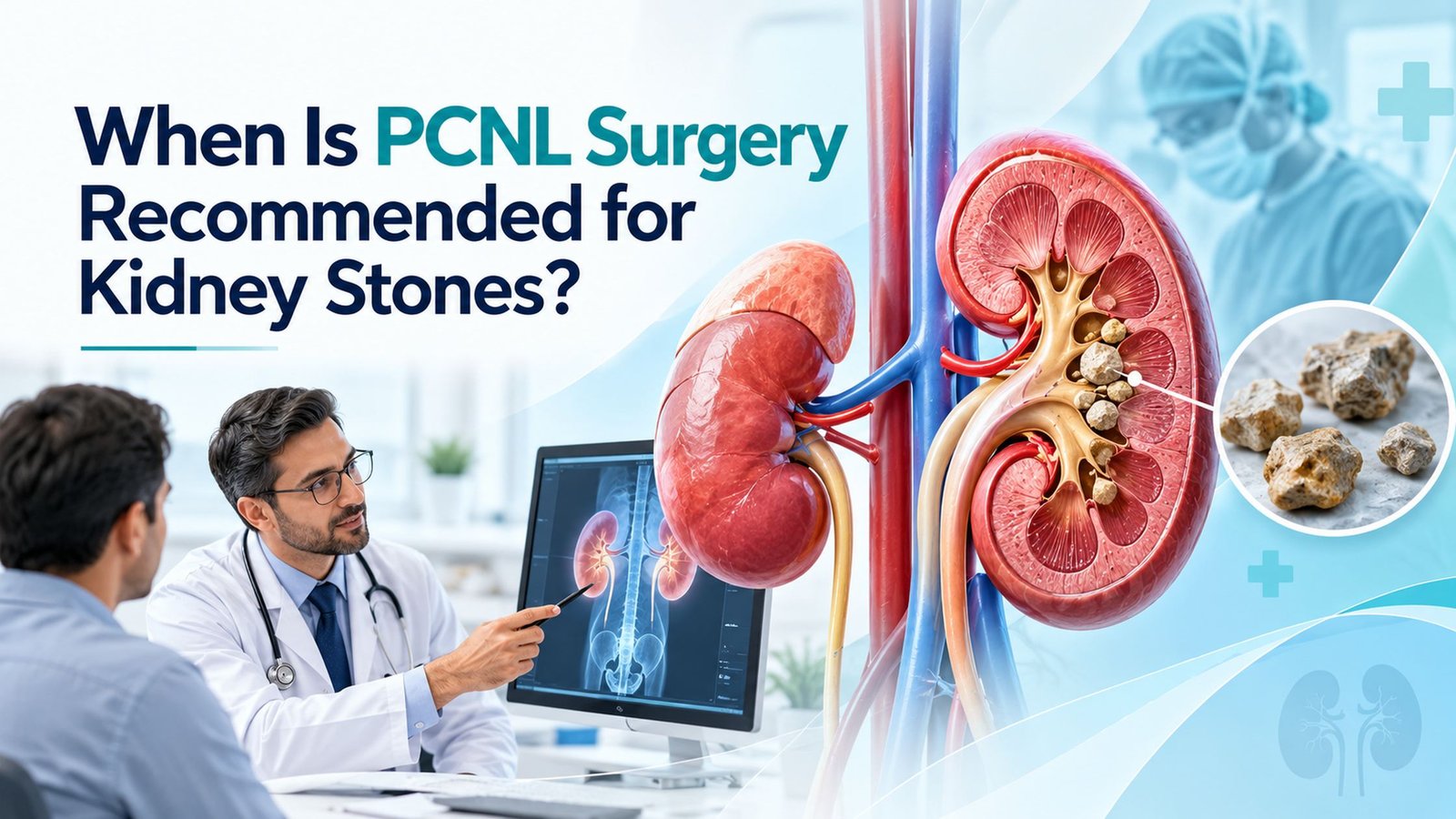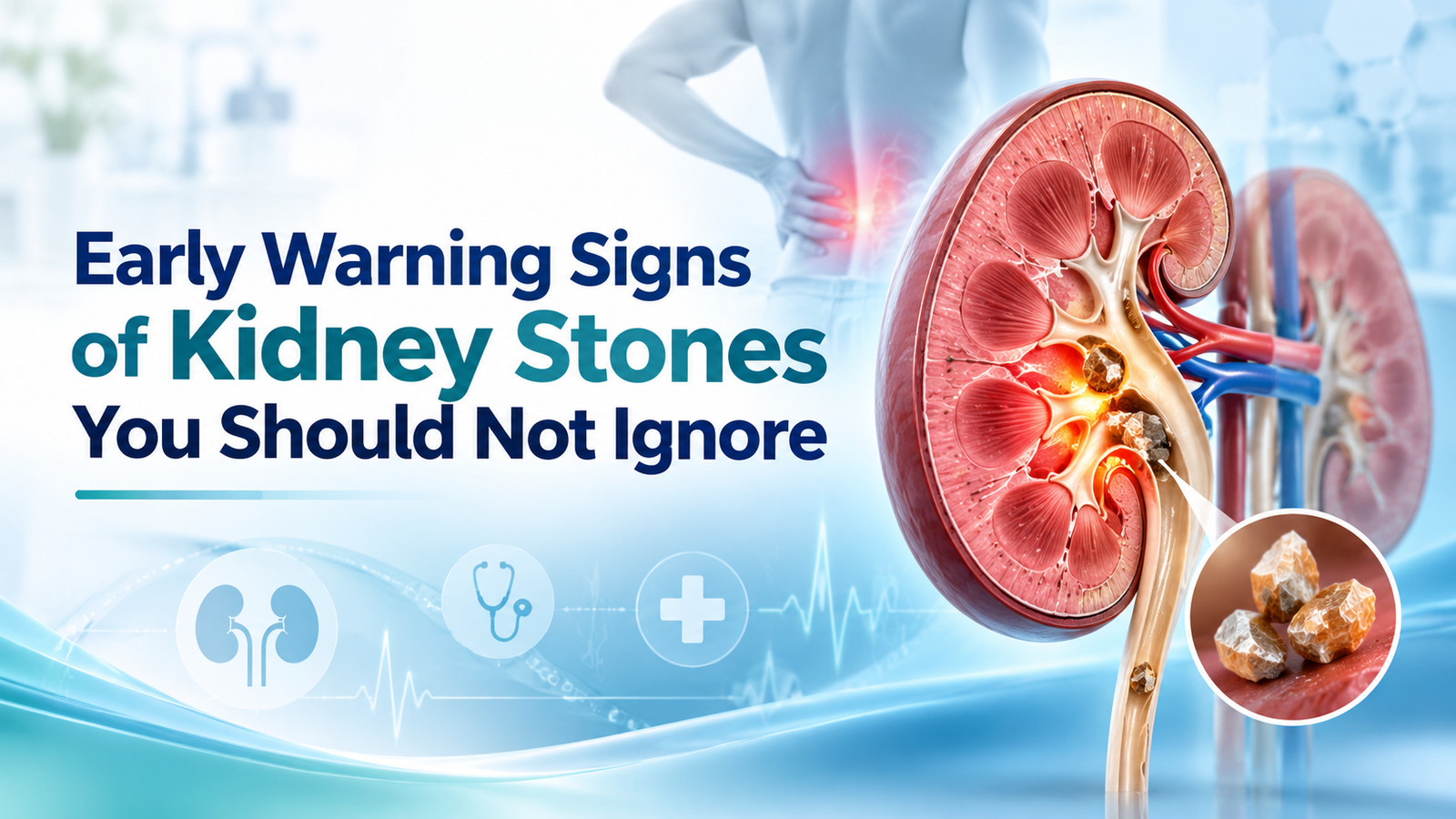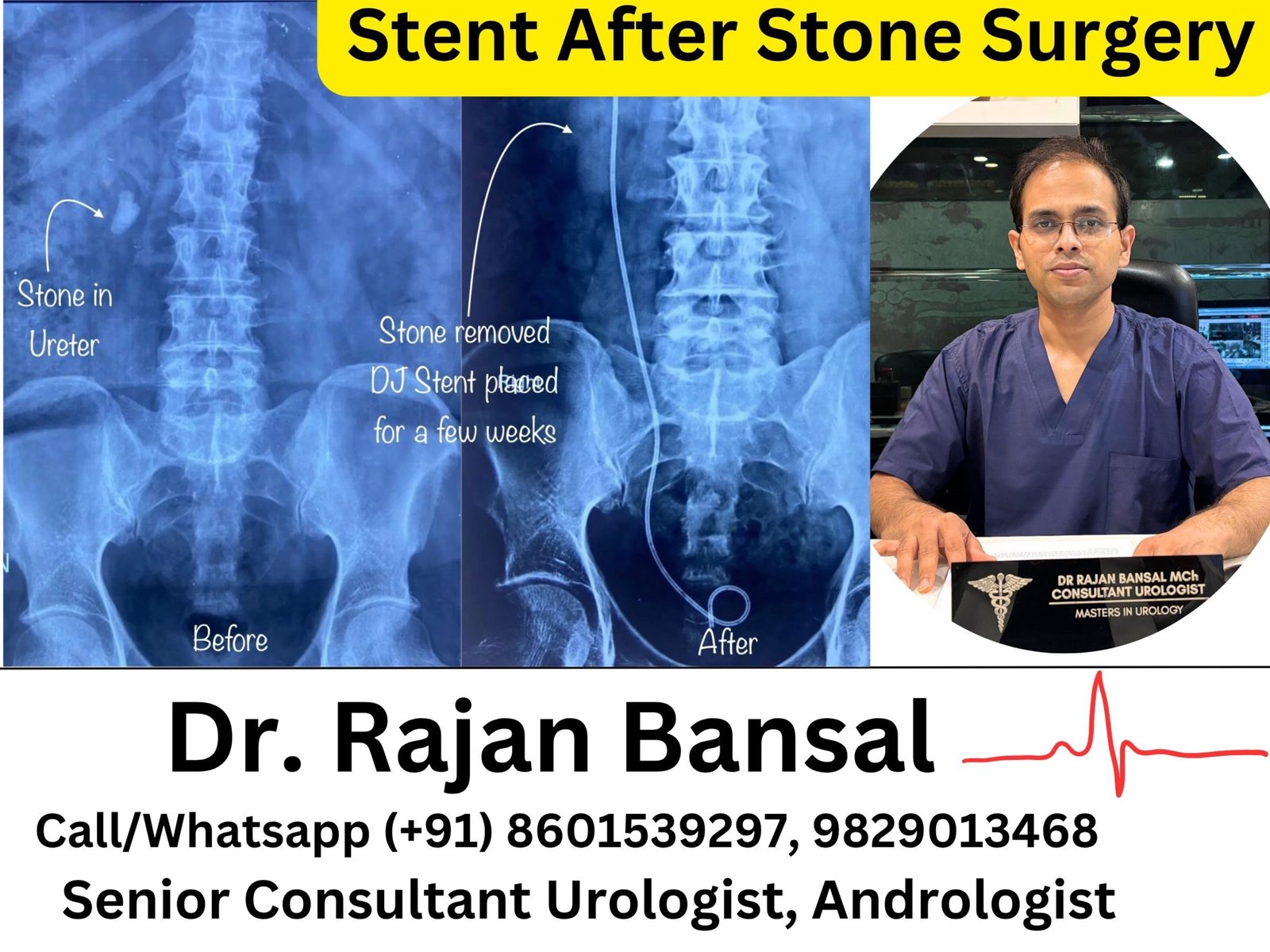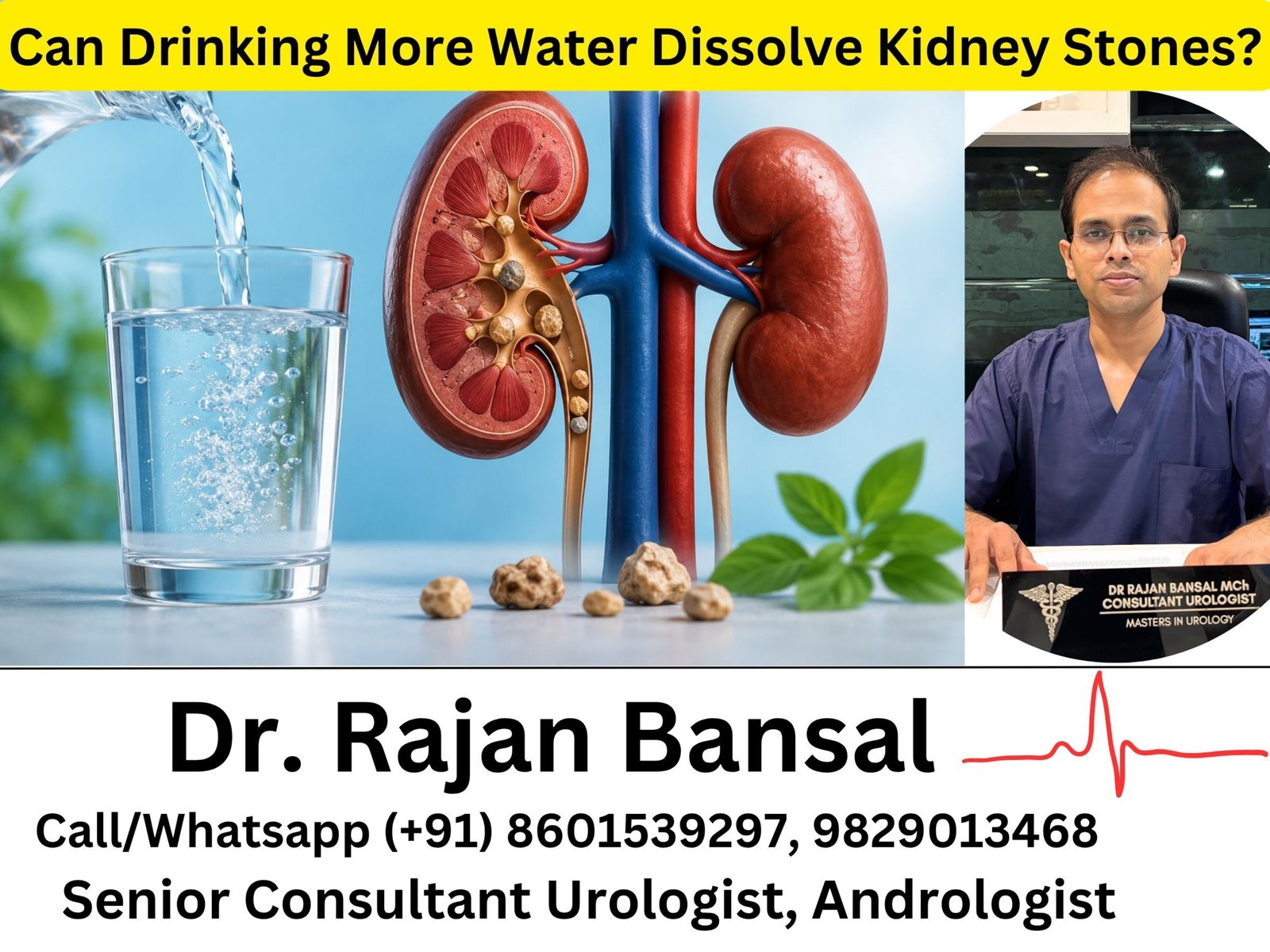
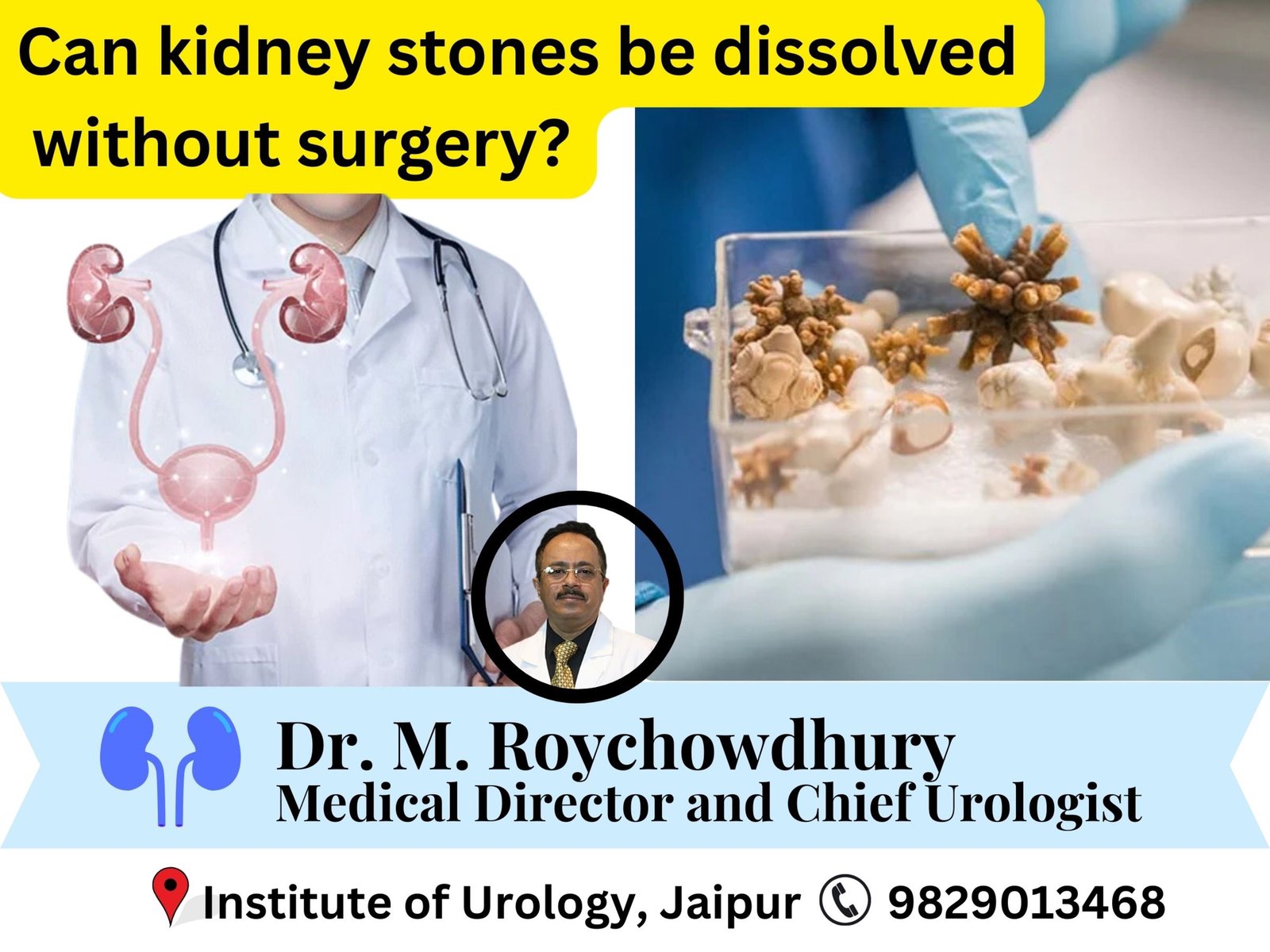
Can kidney stones be dissolved without surgery?: Kidney stones (urolithiasis) are a common and painful condition worldwide. While many stones require intervention — shockwave lithotripsy, ureteroscopy, or percutaneous nephrolithotomy — certain stone types can be dissolved or medically managed without surgery. Uric acid stones routinely respond to urine alkalinization and oral citrate therapy; cystine stones may be chemically modified and reduced with thiol-containing drugs; and infection (struvite) stones may be limited through antibiotics and enzyme inhibitors though complete non-surgical cure is uncommon. Calcium oxalate stones, the most common type globally, are notoriously resistant to pharmacologic dissolution.
Current trends emphasize accurate stone composition analysis, individualized metabolic therapy, minimally invasive procedures when needed, and preventive public-health measures—especially in high-prevalence regions such as India’s “stone belt.” This article reviews the mechanisms, indications, evidence, practical protocols, limitations, and future directions for dissolving kidney stones without surgery, with clinical recommendations and representative references.
Introduction: why “dissolving” matters
Patients and clinicians often hope for a pill or simple treatment that will dissolve kidney stones and spare the patient from invasive procedures. In reality, whether a stone can be dissolved depends primarily on its composition, size, location, and the patient’s metabolic and renal function. Understanding which stones are amenable to medical dissolution—and which are not—is essential to avoid futile treatments, reduce morbidity, and guide appropriate monitoring and preventive strategies.
This review synthesizes current evidence (2020–2025), summarizes practical approaches used in clinical practice, and highlights gaps needing research. It is written for urologists, general surgeons involved in stone care, and researchers preparing clinical protocols.
Stone composition: the key determinant
Stone composition determines chemical behavior and response to medical therapy:
- Uric acid (urate) stones — formed in acidic urine; soluble at higher pH and responsive to alkalinization and citrate therapy.
- Cystine stones — formed from the amino acid cystine in patients with cystinuria; partially responsive to thiol drugs that form soluble complexes.
- Struvite (magnesium ammonium phosphate) stones — infection-related, often large (staghorn) and formed in the presence of urease-producing bacteria; medical therapy can suppress growth but complete dissolution is difficult.
- Calcium oxalate (and calcium phosphate) — most common globally; generally resistant to chemical dissolution and usually require fragmenting/removal.
Uric acid stones: the poster child for medical dissolution
Pathophysiology & rationale
Uric acid stones form when urine is persistently acidic (low pH), favoring precipitation of uric acid crystals. Uric acid is a weak acid: increasing urinary pH converts insoluble uric acid into soluble urate salts, which can then dissolve and be excreted. Thus, urine alkalinization is the cornerstone of non-surgical therapy.
Effective medical regimen
- Oral alkalinization: potassium citrate (or sodium bicarbonate when potassium is contraindicated) titrated to achieve a urinary pH between ~6.5 and 7.2.
- Hydration and dietary modification: increase fluid intake, reduce high-purine foods and alcohol, adjust protein and sodium intake.
- Analgesia and supportive care: as needed during dissolution process.
Multiple recent reviews and systematic analyses report high success rates (often >50% complete dissolution) for appropriately selected uric acid stones with potassium citrate or related oral alkalinizing regimens, especially for radiolucent stones <2 cm and in patients with preserved renal function. Monitoring includes serial imaging and urine pH checks.
Practical considerations
- Ensure correct diagnosis: uric acid stones are often radiolucent on plain X-ray (KUB) but visible on ultrasound or CT; urine pH and stone analysis (if fragments available) confirm the diagnosis.
- Maintain target urine pH; avoid over-alkalinization (risk of calcium phosphate precipitation).
- Expect dissolution over days to weeks for small stones; larger stones may take months and sometimes still require intervention. Regular imaging and metabolic follow-up are essential.
Cystine stones: medical control, partial dissolution, and prevention
Nature and challenges
Cystine stones occur in cystinuria, a genetic disorder causing high urinary cystine excretion. Cystine has poor solubility in urine, especially at acidic pH, and stones tend to recur and be large.
Medical strategies
- High fluid intake and urine alkalinization: increase urine volume and raise pH (>7.0) to improve cystine solubility.
- Thiol-containing drugs: tiopronin and D-penicillamine form mixed disulfide complexes with cystine, producing more soluble moieties and reducing stone formation or promoting partial dissolution. Tiopronin is widely used and has well-documented biochemical efficacy; newer formulations and dosing strategies are being evaluated.
Evidence & limitations
Thiol drugs can reduce stone formation and sometimes decrease stone size, but complete non-surgical clearance is not guaranteed, especially for large stones. Side effects and long-term monitoring (liver, hematologic tests) are necessary. Recently, regulatory approvals and improved formulations (e.g., delayed-release tiopronin) have expanded availability and adherence options.
Struvite (infection) stones: suppression more than dissolution
Struvite stones form during infection with urease-producing bacteria (Proteus, Klebsiella, Pseudomonas). These stones can grow rapidly to fill the collecting system (staghorn stones) and are associated with recurrent infection and renal damage.
Medical options
- Antibiotics: target the causative organisms to control infection; long-term suppressive antibiotics may be used.
- Enzyme inhibition: acetohydroxamic acid (AHA) is a urease inhibitor shown to reduce stone growth and help prevent recurrence when combined with surgery and antibiotic therapy; however, adverse effects limit long-term use. Direct chemical dissolution of established struvite staghorn calculi with oral therapy alone is uncommon; percutaneous irrigation/chemolysis may be used as an adjunct in select cases.
Practical reality
Complete non-surgical cure of large struvite stones is rare. Guidelines continue to recommend surgical removal (PCNL) for staghorn burdens whenever possible, with medical therapy used to prevent recurrence or as adjuvant treatment.
Calcium oxalate stones: resistant to dissolution — what about new approaches?
Calcium oxalate stones represent the majority of kidney stones worldwide. They are chemically resistant to standard dissolution therapies.
Why they resist dissolution
Calcium oxalate crystals are highly insoluble under physiologic conditions; typical alkalinization or citrate therapy does not dissolve established stones. Most chemolytic agents that might solubilize calcium are unsuitable for systemic therapy due to toxicity. Studies show that calcium oxalate stones may undergo microscopic remodeling or partial surface dissolution under certain conditions, but reliable clinical dissolution is not available.
Emerging research and local remedies
Research continues into targeted chemolysis approaches (agents that attack the organic matrix of stones), nanoparticles, and enzymatic or biological strategies, but these remain experimental. Numerous small in-vitro or animal studies (and some traditional medicine reports) suggest partial dissolution effects, but robust clinical evidence is lacking. For now, fragmentation and extraction remain the standard for sizable calcium oxalate stones.
Medical expulsive therapy (MET): moving stones, not dissolving them
For ureteral stones, especially small distal stones, medical expulsive therapy with alpha-blockers such as tamsulosin or silodosin may increase stone passage rates and reduce time to expulsion, though MET does not chemically dissolve stones. Recent meta-analyses and RCT syntheses support selective use of MET in carefully chosen patients (stone size typically 5–10 mm, no infection, controllable pain). Newer comparisons suggest silodosin may have higher expulsion rates but choice depends on side-effect profiles and patient comorbidities.
Percutaneous chemolysis and irrigation: a middle ground
When stones are large or partially amenable to dissolution (e.g., struvite or some calcium phosphate components), percutaneous chemolysis — direct antegrade irrigation of the collecting system with chemolytic agents — has been used as primary or adjunct therapy. This method allows higher local concentrations of dissolving agents and can be useful to debulk stones or treat residual fragments after PCNL. However, percutaneous chemolysis requires interventional expertise and careful monitoring and remains a niche strategy.
Who are candidates for non-surgical dissolution? Clinical selection
Likely candidates:
- Patients with documented uric acid stones (radiolucent on KUB, low urine pH, stone analysis or CT characteristics), ideally stones <2 cm and preserved renal function.
- Cystinuria patients for preventive/medical size reduction strategies with tiopronin plus alkalinization.
- Select patients with small, non-obstructing struvite fragments as adjunct to antibiotics and, in some cases, AHA (with caution).
Unlikely candidates:
- Patients with large staghorn struvite stones (surgical removal preferred).
- Patients with large symptomatic calcium oxalate stones — fragmentation (SWL/URS/PCNL) is the standard.
- Patients with obstructing stones causing infection, renal impairment, or unmanageable pain — these require urgent intervention.
Practical protocol for attempting non-surgical dissolution (example: uric acid stones)
- Confirm composition: If possible, analyze passed fragments or retrieve from prior procedures. If unavailable, use urine pH, CT radiodensity (uric acid stones often low attenuation), and clinical features.
- Baseline tests: serum creatinine, electrolytes, urinalysis, urine culture.
- Initiate alkalinization: potassium citrate oral titration aiming for urine pH 6.5–7.2; measure urinary pH multiple times daily or with dipstick home testing.
- Hydration & diet: 2–3 liters/day urine output target; reduce purine intake and alcohol.
- Follow-up imaging: ultrasound or low-dose NCCT at 2–6 week intervals depending on stone size; expect small stones to dissolve in days–weeks, larger stones in months if they dissolve at all.
- Stop and re-evaluate: if stone fails to shrink, becomes obstructing, or infection occurs, shift to interventional options.
Preventive strategies: the long game
Dissolution may treat the immediate problem, but prevention reduces recurrence:
- Metabolic evaluation: 24-hour urine testing for calcium, oxalate, citrate, uric acid, sodium, volume.
- Dietary counseling: adequate fluid, normal calcium intake (not low), reduced excess sodium and animal protein, tailored oxalate advice.
- Medical prophylaxis: potassium citrate for recurrent uric acid or low citrate; thiazide diuretics for hypercalciuria; tiopronin/penicillamine for cystinuria; xanthine oxidase inhibitors for hyperuricosuria when indicated.
- Public health measures: in high-prevalence regions (the Indian “stone belt”), attention to safe drinking water, heat/hydration education, and community screening can reduce disease burden.
The stone belt of India
Several regions of India—including Rajasthan, Gujarat, Punjab and parts of Madhya Pradesh—experience a higher prevalence of urolithiasis attributed to hot climate (dehydration), high mineral content of water, and dietary patterns. In such regions, early identification of stone type and metabolic contributors is vital. For example, uric acid stones (amenable to dissolution) may be more frequent in populations with high protein diets and low urine volumes, making medical dissolution strategies particularly useful if diagnosed early. Conversely, endemic calcium oxalate disease and delayed presentation often necessitate surgical care; thus, prevention, education, and access to metabolic testing are public-health priorities in the stone belt.
Current research directions and future prospects (2023–2025)
- Refinement of oral dissolution agents and delivery: newer citrate salts, improved dosing regimens, and formulations with better tolerability are under investigation for uric acid and mixed stones. Recent case series report promising dissolution with potassium sodium hydrogen citrate preparations.
- Novel chelators and matrix-targeting agents: laboratory studies exploring agents that attack the organic matrix of calcium oxalate stones aim to render stones more amenable to dissolution; translational work is ongoing.
- Improved cystine management: better formulations of tiopronin and trials to optimize dosing and minimize side effects are expanding medical options for cystinuria. Regulatory approvals and improved access are recent developments.
- Minimally invasive adjuncts: percutaneous chemolysis and local irrigation techniques are being refined as adjuncts to endourologic procedures for complex stones.
Clear-cut clinical recommendations (takeaways for practice)
- Always determine stone composition when possible — treatment decisions hinge on it.
- Attempt medical dissolution for proven uric acid stones with oral alkalinization (potassium citrate), monitoring urine pH and imaging. This is evidence-backed and effective in many cases.
- Use thiol drugs (tiopronin/D-penicillamine) in cystinuria to reduce stone formation and sometimes decrease stone burden, with careful monitoring for side effects.
- Manage struvite stones with a combined approach: remove sizeable burden surgically when feasible; use antibiotics and, selectively, acetohydroxamic acid to limit recurrence.
- Recognize the limits: calcium oxalate stones generally require intervention; experimental dissolution strategies are not yet clinically validated.
- Prevention is paramount, especially in the stone belt regions—address hydration, diet, and metabolic abnormalities.
Conclusion — pragmatic optimism with evidence-based limits
Yes — some kidney stones can be dissolved without surgery, most reliably uric acid stones with urine alkalinization and citrate therapy, and to a degree cystine stones when treated with thiol drugs plus alkalinization. Struvite stone growth can be controlled medically but large staghorn calculi generally require surgical removal. Calcium oxalate stones remain resistant to reliable pharmacologic dissolution; fragmentation and removal are typically necessary. The modern approach combines accurate stone typing, individualized medical therapy, minimally invasive interventions when required, and a strong emphasis on prevention— particularly in high-burden regions such as India’s stone belt.
Best Hospital for Kidney Stone Treatment – Institute of Urology, C Scheme, Jaipur, Rajasthan
At the Institute of Urology, Jaipur, patients receive comprehensive, evidence-based care for all forms of urolithiasis and lower urinary tract disease. Dr. M. Roychowdhury and Dr. Rajan Bansal bring extensive experience in diagnosing stone composition, performing metabolic evaluations, and applying both non-surgical and minimally invasive surgical treatments (including URS, RIRS, PCNL and chemolysis where appropriate). The Institute offers integrated services under one roof—outpatient consultation, advanced imaging (ultrasound, low-dose CT), urodynamics, endoscopic diagnostics, laboratory metabolic evaluation, and operative theatres—ensuring patients get coordinated, patient-centered care from diagnosis through prevention and follow-up.
References
- Normand M, et al. Medical treatment of uric acid kidney stones. (Review 2024).
- Mousavi A, et al. Oral dissolution therapy of uric acid stones: systematic review. 2024.
- FDA/CDER review and product information on tiopronin (Thiola) — mechanism and clinical data.
- Williams JJ, et al. A randomized study of acetohydroxamic acid in struvite urolithiasis. (Classic RCT, 1984) — AHA reduces stone growth but has side effects.
- Diri A, et al. Management of staghorn renal stones. 2018.
- Research on chemolysis and stone organic matrix targeting (laboratory and translational studies).
- Review on percutaneous chemolysis as adjunct in urolithiasis.
(This is a short list — clinicians should consult full guideline repositories such as AUA/EAU and the primary literature cited above for protocol details and dosing specifics.)