From the Director’s Table – Dr. M. Roychowdhury
Primary hyperaldosteronism (PA) due to unilateral adrenal hyperplasia often gets cured by unilateral adrenalectomy.
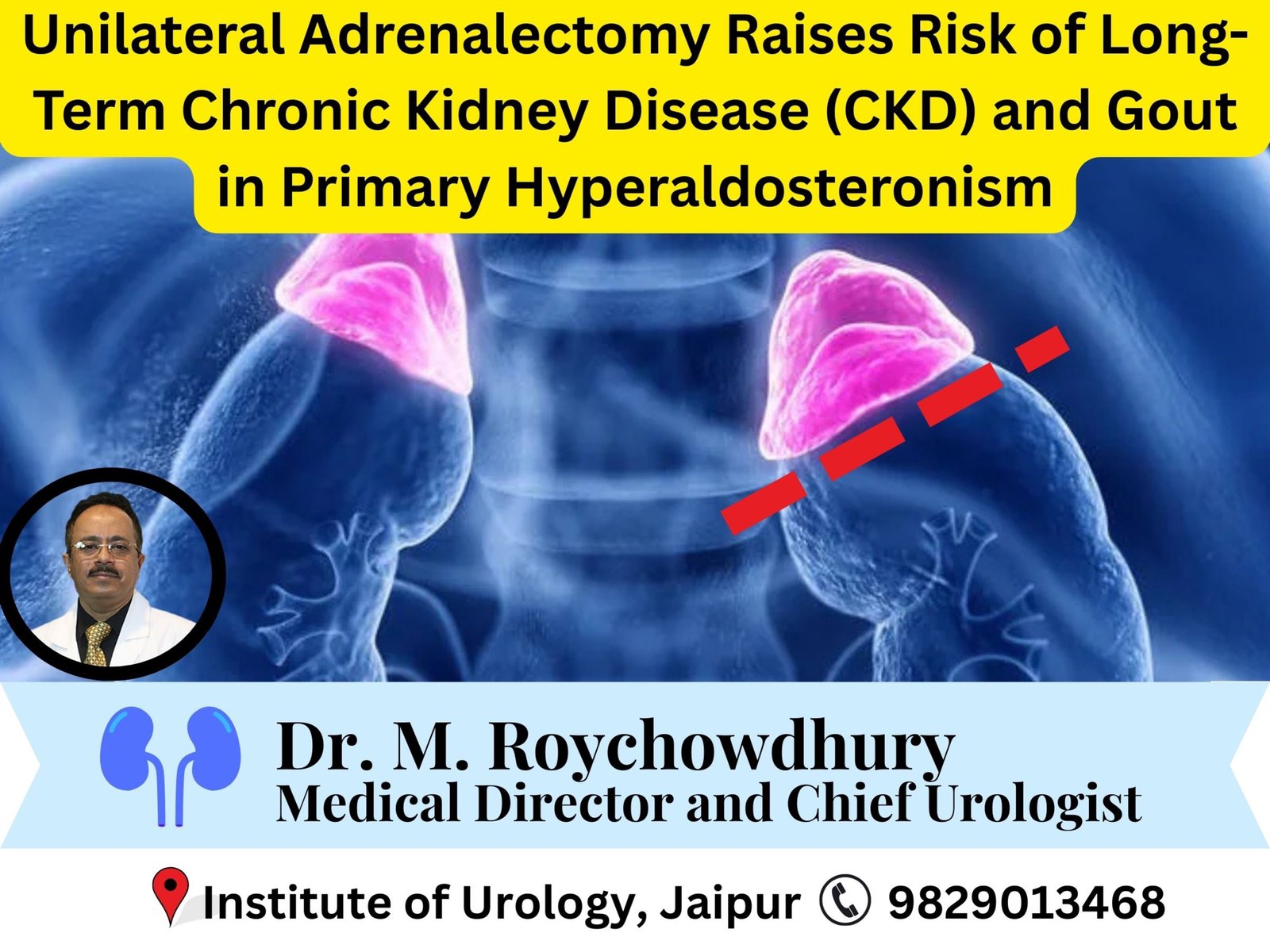
Long-term studies have shown that there is a higher chance of patients progressing to chronic kidney disease (CKD) and gout following unilateral adrenalectomy. The incidence of CKD and gout occurs more frequently in the elderly age group and in patients with associated metabolic comorbidities.
These findings emphasize the need for clinicians to adopt long-term monitoring strategies, including regular renal function assessment and serum uric acid evaluation, in patients treated surgically for primary hyperaldosteronism.
Clinical Implications
While unilateral adrenalectomy remains the definitive curative treatment for selected patients with primary hyperaldosteronism, emerging evidence suggests that postoperative metabolic and renal consequences should not be underestimated. The sudden correction of long-standing hyperaldosteronism may unmask underlying renal impairment or alter renal hemodynamics, contributing to long-term kidney dysfunction.
Similarly, changes in renal handling of uric acid following surgery may explain the increased incidence of gout in susceptible individuals.
Patients at Higher Risk
Patients who appear to be at increased risk of developing CKD or gout after unilateral adrenalectomy include:
- Elderly individuals
- Patients with pre-existing hypertension or diabetes
- Those with baseline renal impairment
- Patients with metabolic syndrome
Identifying these high-risk groups allows for closer follow-up and early intervention.
Recommended Follow-Up Strategy
A structured postoperative follow-up protocol may include:
- Periodic assessment of serum creatinine and estimated GFR
- Monitoring of serum uric acid levels
- Blood pressure control and metabolic optimization
- Patient education regarding symptoms of gout and renal dysfunction
Conclusion
Unilateral adrenalectomy is an effective treatment for primary hyperaldosteronism; however, long-term vigilance is essential. Recognizing the potential risks of CKD and gout enables clinicians to implement proactive monitoring strategies, ensuring better long-term outcomes and quality of life for patients.